A Journey to Recovery: My Experience with L5 S1 ALIF Back Surgery

Alex Koupal • May 24, 2023

Back Surgery is No Joke... but it was the BEST decision for me.
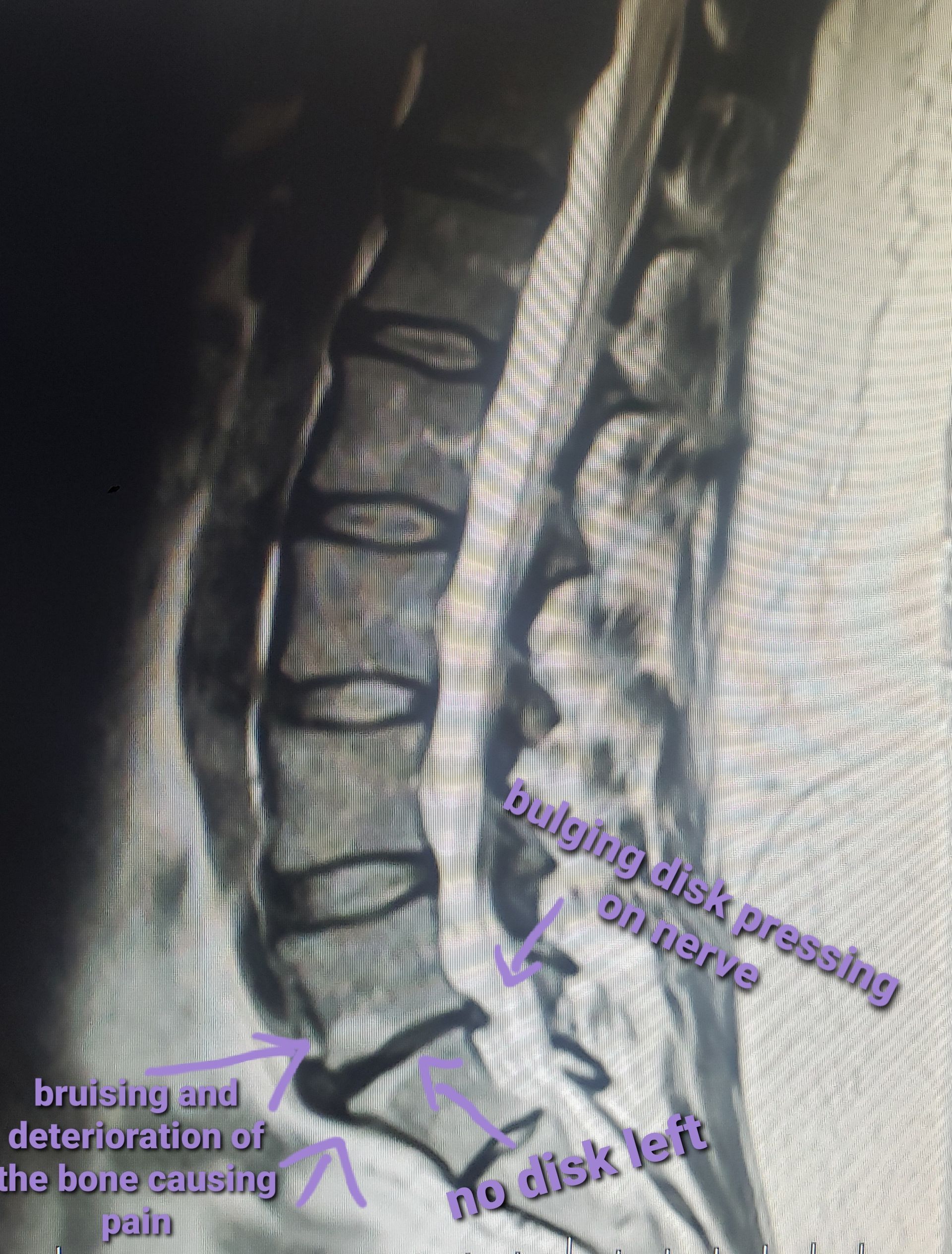
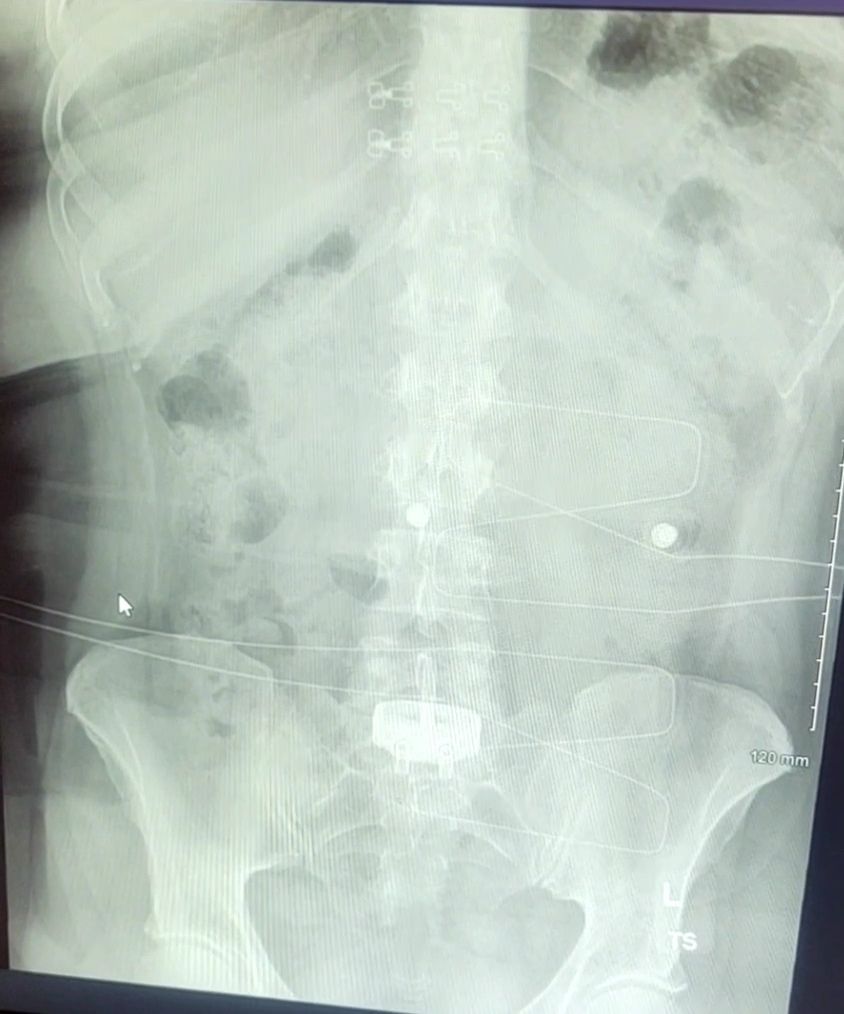
Alex back x-ray image of injury

Chronic pain is no joke.  It slowly creeps up on you, day by day, week by week, month by month, year by year. It a weird way, you kind of get use to it. You find workarounds, and adaptations and consider low-pain days, and good days.  You forget what it's like to be pain-free, and are just grateful for the few days you can function with minimal pain. 


I've always been an advocate for holistic healing, avoiding unnecessary medications, and medical intervention when I could.  Don't get me wrong, I'm not against Western medicine, it's absolutely necessary.  However, from personal experience, I've found that doctors are over-taxed and rushed and often apply band aids to symptoms rather than fix the root cause. So I've always advocated for my own health and have been able to find a balance between holistic, naturopathic and western medicine.


So I'm sure, you can imagine my frustration when I began to experience chronic back pain post-pregnancy.  3mo postpartum I began to experience debilitating back pain.  Changing a diaper would put me in tears.  Trying to reach into the crib to pick up my 3mo old would spiral me into a mental depression, feeling helpless, unable to take care of my own child because the pain was so bad I couldn't pick her up from her crib.   


Of course, I pushed through. When it got so bad it was taking a toll on my mental health, I started talking to my doctors.  I did detox, stretching, inversion, physical therapy, prolotherapy, chiropractic, energy work, prayer, pain meds, anti-inflammatory diets, walking, supplements, special pillows, weight loss drugs resulting in 60lb weight loss, nerve ablation, epidurals, cortisone injections, ... you name it, and I tried it.  Over 4 years of suffering.


The pain became so crippling that it was affecting my capability to be a good mom, a good partner, and my ability to do my job.  I was laid off during covid, in part due to my condition.   I had so many days where I would lay in bed and cry, for 45mins or more, just trying to get out of bed. Struggling with the pain.   It would take me almost 2 hours just to be able to gain mobility enough to dress my daughter and walk down the stairs with her before school.   I would spend hours, crying to myself, feeling like my life as I dreamed it, was over.  I was on the downslide into my 40's.   Constantly thinking about my mortality, because my body has finally started deteriorating.   It was bad.    Of course, I hid this from almost everyone and pushed on, pretending I was ok. 


I finally hit rock bottom and became desperate.  I began reaching out to surgeons.   I met with four different surgeons, all suggesting the same procedure, ALIF.   So I went with my gut, trusted my intuition, and chose the surgeon I felt most comfortable with, and didn't look back.   He was confident he could give me my life back, and I really wanted to believe him. 


So how did it go you ask? 


Undergoing L5 S1 ALIF back surgery was a life-changing decision for me!


Chronic pain had consumed my life, but with careful preparation, a dedicated mindset, and the support of my loved ones, I embarked on a journey toward recovery.


Preparation for Surgery: In the weeks leading up to my surgery, I took daily walks, prioritized a healthy diet, and even included pineapple juice in my routine. The bromelain enzyme found in pineapple juice is known for its anti-inflammatory properties, which can aid in reducing swelling post-surgery. Preparing my environment by investing in an electric bed, grabbers, and a hospital table to help ease my daily activities during the recovery process.


Immediate Relief: I remember after a few hours of recovery and eating a meal, the hospital nurse asked me my pain level.  Don't get me wrong, I was in pain...but I was in significantly LESS pain than before surgery!  I was like.. 4 out of 10.  She was shocked, and so was I.   I couldn't believe the immediate relief. The pain I had been living with daily, which had become my norm... was WORSE than this super-invasive surgery.   Mind Blown!


The Initial Days: Following the surgery, I encountered a few challenges. I experienced a post-surgery fever and found it difficult to get out of bed for about five days. An after-effect of general anesthesia. I had to force deep breathing exercises that would cause me to cough. Which was so extremely painful after having surgery similar to a C-section. Laxatives became necessary to combat the effects of the pain medication. I required help to get in and out of bed. However, I was determined to recover quickly and reduce my reliance on narcotics. Remarkably, I managed to wean off the pain medications by day two and all other medications by the end of week two. I was up walking a mile a day within the first week and able to do small tasks that helped me feel a bit more independent.


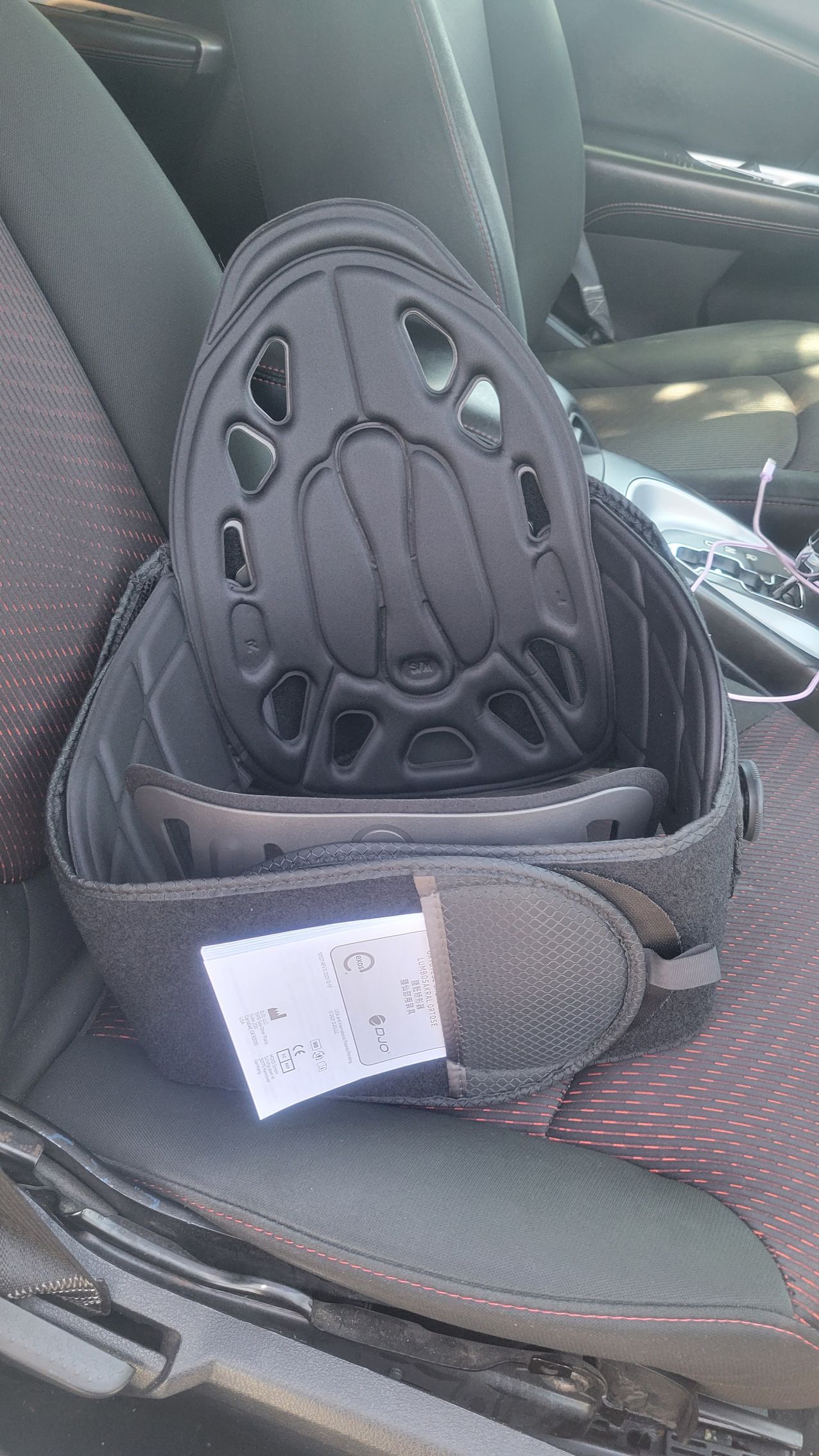
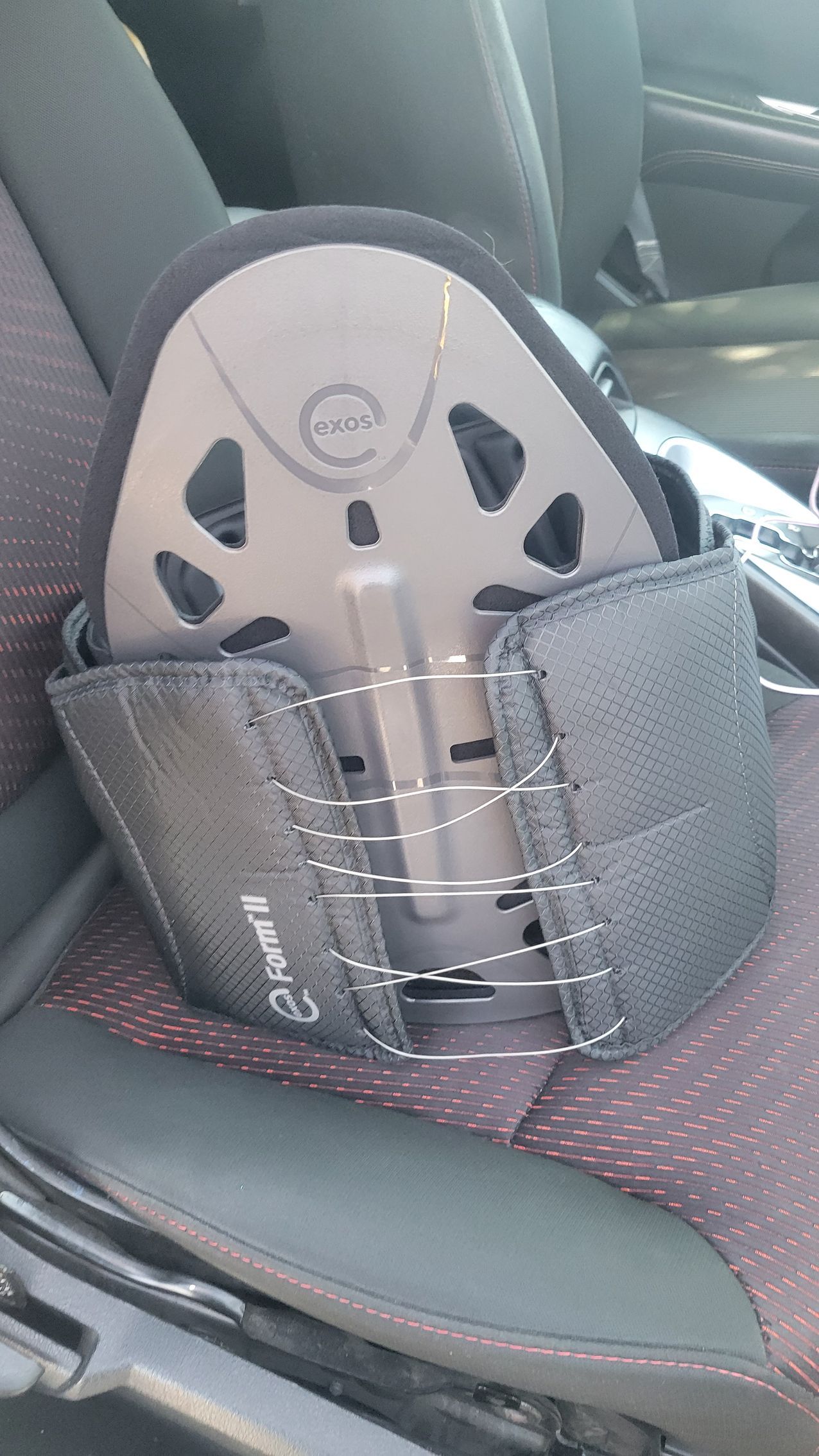
Rebuilding Strength and Mobility: The recovery process felt slow initially, but in retrospect, progress came quicker than anticipated. I gradually rebuilt my strength and mobility, although my abdominal muscles were weak. Assistance was needed to lift my legs onto the bed initially. The large back brace, though uncomfortable and restrictive, offered exceptional posture, making me feel like a modern-day ninja turtle. I focused daily on getting in and out of bed. Becoming independent in the restroom, and getting my walks in.  My back was still pain-free, so long as I didn't bend, lift or twist (all of which I couldn't do for the last 4 years anyway) and the most painful part was the incision on my abdomen that would pull and stretch sending zingers every now and then. Still... less pain, and conditional pain.


Signs of Progress: During my week three check-up, I was elated to witness a 15-degree improvement in spinal alignment through the X-rays. It was a tangible confirmation of the surgery's effectiveness. The doctor cleared me to shower, move without the brace for midnight bathroom trips, sleep on my side, and even drive short distances. Each newfound freedom brought a sense of relief and normalcy to my life.


Relief and Renewed Energy: The surgery has provided immense relief from the chronic pain that plagued me for years. The release on my nervous system has granted me extra energy and mental clarity I thought I would never get back. Although I still experience some localized pain and discomfort around the incision site, it is minimal and diminishing with each passing day. I already feel ten years younger and 100% happier not being bound by constant pain.


Looking Ahead: As I reach the 4.5-week mark post-surgery, I eagerly anticipate the coming weeks. I am confident that my recovery will continue to progress, and I am excited to see how I will feel in eight or twelve more weeks. This journey has taught me resilience, patience, and the importance of self-care. It is a testament to the incredible power of modern medicine and the strength of the human spirit. I am amazed by my body and have a newfound love for her.  We've always had a complicated relationship but I feel like this surgery has brought me closer to her and I promise to care for, and look after her better than before. I abused my body so often, pushing through to get what I wanted, at a price.   This has been a healing process for both of us. Surgery has been a transformative experience and I look forward to a future free from the limitations that once held me back.

By Aamira Dixon June 19, 2026
Why Emotional Support at Home Matters More Than Many Parents Realize
By Aamira Dixon June 17, 2026
The Quiet Ways Teenagers Experience Exclusion, Judgment, and Emotional Harm
By Aamira Dixon June 15, 2026
Understanding Identity, Belonging, and the Pressure to Be Like Everyone Else
By Aamira Dixon June 12, 2026
Why So Many Parents Feel Like They're Falling Behind
By Aamira Dixon June 10, 2026
Understanding Emotional Safety, Connection, and Why Some Children Shut Down Around Certain Adults
By Linda Chase June 9, 2026
How Parents Can Spark Curiosity to Raise Motivated, Engaged Learners Parents of school-age children often notice a shift: the endless “why” questions start to fade, and school becomes something to finish rather than explore. The challenge isn’t a lack of ability, it’s that schedules, pressure to perform, and fear of mistakes can quietly crowd out children’s natural curiosity. When curiosity shrinks, self-motivated learning becomes harder, and even capable kids can disengage. Nurturing curiosity now supports engaged learners and lays a steady foundation for nurturing child development. Why Curiosity Fuels Learning Momentum Curiosity is the brain’s way of saying, “This matters, pay attention.” When kids get to wonder, test ideas, and notice patterns, they build stronger thinking skills through repeated practice. That sense of pull matters because intrinsic motivation helps learning feel chosen, not assigned. It matters because curiosity makes effort easier to sustain. A child who feels safe to ask and experiment is more likely to persist through confusion and bounce back from mistakes. Over time, that steady engagement supports deeper understanding and more flexible problem-solving. Think of curiosity like a mental spark that lights the next step. A child who asks how a bike gear works may read, tinker, and try again after a failed attempt. The learning sticks because the question belonged to them. When curiosity has room to show up, modeling it at home starts to feel natural and doable. Make Learning Visible: A Parent Model Kids Can Copy When kids see curiosity in action, they learn that questions and effort are what keep learning moving. Let your learning be something they can actually notice: ask questions out loud, show genuine excitement when you discover an answer, and be willing to try a new skill even when you’re rusty. That might look like watching you puzzle through a problem, saying, “I’m not sure yet,” and staying engaged anyway, so exploration feels normal, not performative. Earning an online degree can reinforce that message by building your knowledge and confidence while fitting around real family schedules. For relevant context , an online accounting degree could deepen your business acumen and teach you how to read financial statements, understand auditing, and work with generally accepted accounting principles. Build a Home That Invites Discovery: 7 Simple Setups A curiosity-friendly home doesn’t need to look like a classroom. A few intentional “yes spaces” and routines make it normal for kids to explore, especially when they see you learning out loud, too. Create a visible “grab-and-go” book nook: Put 15–25 books where kids already linger (couch, kitchen table, bedside), not tucked on a high shelf. Rotate a few each week, mix comics, how-to books, and picture-heavy nonfiction so every reading mood has an option. Keep a small basket for “I want to ask about this” bookmarks so questions turn into conversations. Make the library a predictable family ritual: Pick one day every 1–2 weeks and keep it short, 30 minutes is enough to browse, check out, and reset interest. Give each child a simple mission such as “one fun book, one new-topic book, and one audio book,” and let them lead. Tie it to your modeling from earlier: check out a book for yourself too and share one surprising thing you learned at dinner. Set up an “open-ended builders bin” for daily tinkering: Choose educational toys and resources that can be used a hundred ways, blocks, connectors, gears, magnetic tiles, marble-run pieces, then store them in one clear bin kids can access without help. A gentle prompt like “Can you build something that stands up to a shake test?” invites problem-solving without turning it into a lesson. Many families like building sets because building toys can help students understand concepts about architecture, structural stability, measurements, design, and more . Keep a low-mess art and making station always ready: Stock a small caddy with paper, pencils, markers, tape, glue stick, scissors, and a recycled-materials box (cardboard, bottle caps, scrap fabric). The key is “open, not perfect”: a washable tablecloth and a simple cleanup routine (“make, photo, reset”) protects your sanity. Use it to support hobbies, comic drawing, model-making, fashion sketches, whatever your child keeps returning to. Designate a “kitchen science” shelf for hands-on learning: Pick 5–8 safe items for experiments, measuring cups, food coloring, vinegar, baking soda, magnets, a small scale, and store them together. Add a notebook labeled “What we noticed” so kids can draw results or write one sentence. When you’re learning visibly, narrate your own wondering: “I’m not sure why it foams, what should we try next?” Use learning apps as tools, not babysitters: Choose one or two apps that match a current interest (space, coding puzzles, language, music) and set a simple boundary such as 15–20 minutes, then “show me one thing.” Ask for a tiny teach-back, one new word, one strategy, one level they found tricky, so the screen time turns into shared learning. Carve out a hobby-friendly space with “permission to pause”: Give each child a small spot, desk corner, shelf, or rolling cart, where ongoing projects can stay out for a few days. Add a “parking lot” sticky note so they can stop mid-project without losing momentum: “Next time I will…”. This reduces quitting because taking breaks feels like part of the process, not a failure. Curiosity and Motivation Questions Parents Ask Q: How do I motivate my child without turning everything into a reward? A: Focus praise on effort and strategy, not outcomes: “You tried two ways,” or “You kept going when it was tricky.” Offer privileges that fit the activity, like extra time to continue a project, instead of prizes for performance. Ask what they want to get better at, then support the first small step. Q: What should I do when my child says learning is “boring” or “too hard”? A: Treat it as information, not defiance. Encourage open communication questions like “Which part is the worst?” and “What would make it 10 percent easier?” Then adjust one variable: shorter time, clearer directions, or a choice of topics. Q: How much help is too much when they get stuck? A: Aim for a hint, not a takeover. Try “What have you already tried?” then offer two options and let them pick. If frustration rises, take a reset break and return with a smaller, winnable piece. Q: When should I step in if they quit quickly? A: Step in when quitting is about overwhelm, not preference. Use a calm “pause plan” like “Stop, write the next move, and we’ll try for five minutes later.” Consistency matters more than intensity. Q: How can I celebrate small wins without bribing or pressuring? A: Celebrate the process with specific feedback and a shared moment: a photo, a high-five, or showing someone what they made. Help them set a tiny target since SMART goals keep progress concrete without adding pressure.  Keep Curiosity Alive With Small Shifts and Steady Support It’s easy to want kids to stay motivated while also worrying about pushing too hard or stepping back too far. The path forward is a curiosity-first mindset: use parental support techniques that protect questions, invite reflection, and make learning feel safe to explore. Over time, sustaining curiosity builds long-term engagement and keeps motivation rooted in meaning, not pressure. Curiosity grows when kids feel safe to wonder and capable of figuring things out. Choose one small change this week, like pausing to ask one better question and then listening, that keeps momentum toward motivating self-directed learning and encouraging continuous exploration. That steady approach strengthens resilience, confidence, and connection as learning becomes a lifelong habit.
By Aamira Dixon June 8, 2026
When Parenting Starts Feeling More Defeating Than Rewarding
By Aamira Dixon June 5, 2026
Emotional Withdrawal Is Often Deeper Than “Bad Attitudes”
By Aamira Dixon June 3, 2026
Living With the Fear of “What If Something Happens?”
More Posts